Table of Contents
- Illinois Home Selling
- Which Areas in Illinois Offer the Best Return on Investment and Are Easiest for Residential
- What Home Styles, Sizes, and Features Tend to Sell Fastest in the Illinois Market?
- What Should Home Sellers Know About Zoning Laws, Permits, and Regulatory Requirements in Illinois?
- Which Towns or Cities in Illinois Are the Easiest â and Hardest â When It Comes to Navigating Real Estate Regulations?
- What Are the Most Effective Flipping and Resale Strategies for Maximizing Profit in Illinois's Housing Market?
- How Should Sellers Price Their Homes to Attract Buyers While Maximizing Value in Illinois?
- Which Key Economic, Social, and Regulatory Factors Are Driving Current Trends in Illinois's Local Property Markets?
Illinois Home Selling

The housing market in Illinois is currently witnessing a dynamic shift with notable changes in sales activity and home values across the state. Despite fluctuating inventory levels, market trends have shown a sustained demand for housing, with an average of around 3 months of supply.
The median sale price of a single-family home in Illinois stood at $305,000 in September 2025, rising 3.7% year over year. This figure put Illinois well below the U.S. national median for the same period (approximately $435,000), but higher than neighboring states like Kentucky ( $275,100) and Indiana ( $281,000).
An average of around 11,000 homes are sold each month in Illinois, an increase of about 4.6% year over year for September 2025. With its larger population, Illinois also sees significantly more closed sales than neighboring states like Kentucky, Wisconsin, and Indiana, all of which typically average around 4,000-8,000 sales each month.
The average time to sell a home (also known as days on market, or DOM) in Illinois is about 33 days, a 3.1% year-over-year increase. Residential properties in Illinois tend to sell faster than in Kentucky (41 days) and Wisconsin (45 days), but are outpaced by homes in Indiana, where the median DOM is 22.
Each month, an average of around 1,975 new private housing building permits are issued in Illinois. Permit volumes and timeliness contribute to higher carrying and development costs, which pressure housing affordability. However, Illinois sees more new residential housing construction permits than in several surrounding states, such as Wisconsin (1,136 permits) and Kentucky (686 permits).
Illinois' statewide average property tax rate of about 1.95% is notably higher than the national average as well as the average in neighboring states like Indiana (0.77%), Kentucky (0.73%), and Wisconsin (1.25%). This poses a significant challenge to the state's housing market, impacting real estate investment and affordability for end users.
With a foreclosure rate of 1 in 2,883 (as of August 2025), Illinois has one of the highest foreclosure rates in the United States. This is likely attributable to high property tax rates, rising mortgage rates, and inflation.
Which Areas in Illinois Offer the Best Return on Investment and Are Easiest for Residential

With its diverse economy and a range of suburban and urban areas, Illinois offers real estate investors several opportunities to grow their investment portfolios. However, each city, town, or metropolitan area in the state presents varying opportunities and challenges for real estate investors seeking a high return on investment (ROI).
For residential investors and developers looking for growth potential and a high ROI in Illinois, the following areas may offer unique opportunities for outsized returns:
- Springfield: The city is home to numerous cultural attractions, making it an attractive market for real estate investors looking for short-term rentals.
- Chicago: Chicago's housing demand, driven by a steady job market and a population of 2.6 million, makes it a prime real estate investment hub with a strong rental market.
- Rockford: Located about 90 miles northwest of Chicago, Rockford was recently named one of the hottest housing markets in the U.S., with a high potential for real estate appreciation.
- Champaign: Champaign has a strong rental market due to the student population of the University of Illinois. This presents an excellent opportunity for investment property, with a considerable number of the city's residents comprising University staff and students.
- Evanston: The city's location and proximity to Northwestern University offer constant demand for rental properties, making it attractive for anyone looking to invest in residential development or generate cash flow.
- Naperville: Naperville presents a prime opportunity for investors seeking a promising housing market with the potential for high ROI. The city hosts events like the Last Fling and Naperville Wine Festival, drawing in tourists all year round.
- Peoria: A 6.6% year-over-year increase in sales prices and the appeal of affordable homes make Peoria an excellent option for first-time real estate investors looking for a smaller upfront commitment.
- Aurora: Aurora's growing workforce has helped contribute to steady appreciation in median home values in recent years, moving from under $200,000 to about $350,000. This indicates continued growth potential for any investor aiming for a high ROI.
- Elgin: Elgin is approximately 35 miles northwest of Chicago, making it a strategic area for real estate investment. The city's redevelopment momentum and the low cost of living, combined with access to the Chicago metropolitan job market, are responsible for its solid suburban rental demand.
- Joliet: The city has a strong industrial sector and is home to major employers like ExxonMobil and Amazon, spurring consistent rental demand among workers.
What Home Styles, Sizes, and Features Tend to Sell Fastest in the Illinois Market?

In Illinois, listed homes spend approximately 33 days on the market, but it takes about 72 days from listing a property to closing the contract. Homes with desirable features like energy-efficient upgrades, detached garages, and open-concept kitchens tend to sell fastest, particularly in areas with less inventory.
Buyers are usually strategic about features, styles, and sizes when it comes to purchasing a home. Below are some characteristics of homes that tend to sell fastest in Illinois:
-
![]() Bedrooms: Across Illinois, 3-bedroom homes with at least 2 bathrooms sell quickly because they appeal to most young families and first-time buyers. These properties are commonly found in areas like Joliet, Champaign, Aurora, Springfield, Peoria, and Rockford. Similarly, homes with 4 bedrooms and no less than 2 bathrooms also sell fast in premium suburbs like Evanston and Naperville.
Bedrooms: Across Illinois, 3-bedroom homes with at least 2 bathrooms sell quickly because they appeal to most young families and first-time buyers. These properties are commonly found in areas like Joliet, Champaign, Aurora, Springfield, Peoria, and Rockford. Similarly, homes with 4 bedrooms and no less than 2 bathrooms also sell fast in premium suburbs like Evanston and Naperville.
-
![]() Size and Lot: Homes with about 1,200 to 1,800 square feet of living area sitting on 0.2 to 0.5 acres tend to sell fast, especially in suburbs. This is largely because they're easy to maintain, offer enough space, and match most buyers' budgets. These properties are commonly found in Elgin, Edwardsville, Joliet, Springfield, Crystal Lake, Aurora, and Rockford.
Size and Lot: Homes with about 1,200 to 1,800 square feet of living area sitting on 0.2 to 0.5 acres tend to sell fast, especially in suburbs. This is largely because they're easy to maintain, offer enough space, and match most buyers' budgets. These properties are commonly found in Elgin, Edwardsville, Joliet, Springfield, Crystal Lake, Aurora, and Rockford.
-
![]()
Style: Ranch-style homes sell fastest in many Illinois cities and suburbs. They're often move-in ready, relatively easy to maintain, and allow older adults to age in place. In Illinois, ranch-style homes are commonly found in Decatur, Rockford, Joliet, and Bloomington. Other fast-selling home styles in Illinois include:
- Townhomes: Illinois townhomes tend to sell quickly because they're cheaper to maintain and may come styled with modern features. They're mostly found in Evanston, Bolingbrook, and Naperville.
- Split-level homes: In Illinois, split-levels sell fast in places like Tinley Park, Belleville, Elgin, and Champaign. These homes are in high demand because they're typically more affordable and have plenty of functional space.
- Modern farmhouse: Modern farmhouses that are newly built or renovated tend to sell fast in certain places in Illinois. These include areas like Oswego, Plainfield, Huntley, and Yorkville.
-
![]() Modern Upgrades: From open-concept kitchens in many homes in Rockford and Naperville to updated bathrooms in homes found in areas like Aurora and Highland Park, residential properties with modern upgrades tend to sell fast. Other upgrades that help lead to a quick sale in Illinois include energy-efficient appliances, smart home tech (like smart thermostats), luxury vinyl flooring, modern interiors, good curb appeal, and freshly painted interiors.
Modern Upgrades: From open-concept kitchens in many homes in Rockford and Naperville to updated bathrooms in homes found in areas like Aurora and Highland Park, residential properties with modern upgrades tend to sell fast. Other upgrades that help lead to a quick sale in Illinois include energy-efficient appliances, smart home tech (like smart thermostats), luxury vinyl flooring, modern interiors, good curb appeal, and freshly painted interiors.


What Should Home Sellers Know About Zoning Laws, Permits, and Regulatory Requirements in Illinois?
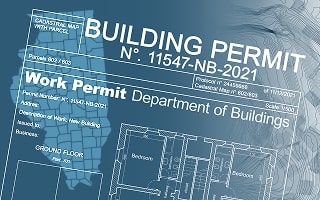
Each county, city, or town in Illinois has zoning laws that guide and control land use within its borders. Such laws and certain other regulatory requirements, like building permits, affect how real property is developed, sold, or used in the state. Zoning is typically a form of government regulation that covers a range of areas like land use, building heights, and the placement of buildings within plots. They can impact a property's value and should be well understood by anyone looking to develop and/or sell a home in Illinois.
Each zoning district in Illinois has different use restrictions. Buyers often ask for zoning compliance letters to verify that a property's use (current or intended) does not violate local zoning laws, and to prevent potential legal issues. Before purchasing real estate or investing in new projects, developers and buyers in Illinois should familiarize themselves with local zoning laws.
- Areas with strict zoning laws: These areas enforce strict zoning requirements that may restrict the construction of certain building types. Such areas in Illinois include Bull Valley and Barrington Hills, where relevant authorities enforce large lot zoning to limit alterations and density, and where rezoning may require community approval or heavier justification.
- Areas with less bureaucratic zoning laws: Homes tend to sell faster in places with less bureaucratic zoning. In Illinois, expensive zoning approvals may not be required in certain areas, like Yorkville and Oswego. Similarly, in the suburban areas outside DuPage or Cook counties, permit processes are streamlined and residential zoning is simpler, which typically encourages faster construction or flipping.
- Areas requiring a special permit: A special permit is usually needed when a property or its use don't align with permitted zoning. For instance, commercial use in areas zoned residential may require a special permit in Illinois municipalities like Lisle, Park City, and Edwardsville. These permits are typically granted by zoning boards following formal review and public hearings. Developers in these areas face an elevated risk of community opposition or zoning board rejection.
- Areas requiring a Certificate of Occupancy (CO): A CO is required in some Illinois municipalities before the sale or legal occupation of a property, especially for new builds and major renovations. For instance, in Chicago and municipalities like North Riverside, North Barrington, Grant Park, Channahon, and Danville, a CO is usually required for new construction, major alterations, or any additions. Lack of a final CO may delay sales, prevent legal habitation, or result in fines.
- Areas that require a historic commission to approve certain renovations, material usage, and changes of appearance: Cities like Urbana, Peoria, Bloomington, and Champaign enforce preservation zoning to maintain their historical heritage. Developers are typically required to obtain a certificate of appropriateness (COA) before renovating or changing a home's exterior appearance. These COAs are usually reviewed by local historic preservation commissions, though some types of work (e.g., some replacements of like-kind) may be approved without commission review.
Which Towns or Cities in Illinois Are the Easiest — and Hardest — When It Comes to Navigating Real Estate Regulations?

Home sellers and developers must understand key local real estate regulations and comply with them to avoid legal issues, protect their investment and business reputation, and maximize property value. In Illinois, some areas are more development friendly, while others may be highly restrictive. Since municipalities and their regulatory frameworks can determine how easy or difficult it is to develop real estate, it's important to review these requirements before making a purchase or investment.
Although navigating real estate regulations in Illinois may seem challenging, understanding the varying regulatory climates in different cities, towns, and metros can make a significant difference in the speed and success of your real estate investment:
Development-Friendly Areas

These areas offer developers and home sellers flexible zoning and shorter approval timelines. In addition, they have laws that support efficient development. In Illinois, such areas include:
- Naperville: This city offers developers low permit fees and reduced height restrictions and parking requirements to accelerate the construction of affordable homes of all housing types.
- Elgin: As one of the most development-friendly areas in Illinois, developers can receive approvals in about 10 business days for standard projects and within 14 days for larger projects.
- Park Forest, Berwyn, and Bensenville: These areas have zoning codes that encourage and promote adaptive reuse and density.
Moderately Regulated Areas

Moderately regulated areas have structured processes and enforced rules, but they typically strike a balance with predictable processes. The following areas in Illinois are known for moderate real estate regulations:
- Skokie: The overall real estate regulatory climate in Skokie is stable but responsive. The village mitigates community opposition through proactive engagement, permitting mixed-use and relatively affordable housing.
- Elburn and Wheaton: Although both Wheaton and Elburn enforce housing design standards, they offer updated zoning that largely focuses on historic preservation.
- Westmont: This suburb permits condo or transit-oriented home construction, but not without some local planning review.
- Riverside: This village usually requires public hearings for approvals. However, the process is generally transparent, and zoning deviations may be allowed with input from the community for certain projects.
Highly Restrictive or Bureaucratic Areas

Developers may face frequent community opposition in these areas. Coupled with a strict and layered approval process, permitting is unlikely to be fast-tracked in most cases. Areas with highly restrictive real estate regulations in Illinois include:
- Alton: Real estate developers often face political pushback and strong resistance to mixed-income/mixed-use development.
- Chicago: The city is one of the most time-consuming in Illinois when it comes to permitting. Residential projects over certain thresholds are subject to discretionary review by the Department of Planning and Development, which typically involves City Council input and public hearings. As a result, permitting may be delayed for several months.
Regulatory Climate Factors to Watch

The regulatory climate in Illinois varies by location and largely influences the state's real estate landscape. It plays a key role in shaping the housing market, especially in determining how challenging or easy it can be for anyone to develop, renovate, or flip a property in the state. For instance, some regulatory climate factors may cause delays in approvals, while others can drive up costs.
Understanding the following regulatory climate factors in each Illinois city or town (as listed in the table below) can help investors safely navigate local regulations:
| Factor | Impact on Development | Where It's Found |
|---|---|---|
| Zoning Flexibility | Determines the ease of land use | South Elgin, Montgomery, Elgin (Kane County), and Oswego |
| Historic Preservation Laws | Adds restrictions | Plainfield, Evanston, Oak Park, and Sycamore |
| Wetlands/Conservation | Limits buildable land | Crystal Lake, Libertyville, Wadsworth, Edwardsville, and Streamwood |
| Inclusionary Zoning | Requires affordable units | Oak Park, Evanston, and Highland Park |
| Building Code Enforcement | Affects cost/speed | Oak Park, Skokie, and Chicago |
| Local Politics/NIMBYism* | Blocks or delays projects | Alton, some parts of Chicago (like Jefferson Park and Logan Square), and parts of Madison County |
*NIMBYism - Not in My Backyard
What Are the Most Effective Flipping and Resale Strategies for Maximizing Profit in Illinois's Housing Market?

To maximize profits in Illinois' dynamic housing market, real estate investors must be ready to adopt varying flipping and resale strategies. In addition, they should understand how to choose the right strategy to match local market conditions. Here are some of the most effective flipping and resale strategies investors and developers can use to help maximize ROI.
-
![]() Target Distressed or Foreclosed Homes: Typically, distressed or foreclosed homes are often priced below market value, making them a good catch for anyone looking to buy discounted properties, renovate them, and flip them for a profit. In Illinois, these homes may be available via auctions and bank-owned listings in areas like Peoria, Rockford, and Cook County.
Target Distressed or Foreclosed Homes: Typically, distressed or foreclosed homes are often priced below market value, making them a good catch for anyone looking to buy discounted properties, renovate them, and flip them for a profit. In Illinois, these homes may be available via auctions and bank-owned listings in areas like Peoria, Rockford, and Cook County.
-
![]() Apply the 70% Rule: The 70% rule suggests investors pay no more than 70% of the property's after-repair value (ARV) minus any repair costs. This rule is particularly useful in competitive markets like suburban Chicago. It helps maximize profit and provides a buffer for unexpected costs. For instance, the maximum offer for a property with an ARV of $350,000 and repair costs of $60,000 should be approximately $185,000 [($350,000 x 70%) - 60,000]. Any flipper offering $185,000 for such a property will most likely maintain a decent profit margin.
Apply the 70% Rule: The 70% rule suggests investors pay no more than 70% of the property's after-repair value (ARV) minus any repair costs. This rule is particularly useful in competitive markets like suburban Chicago. It helps maximize profit and provides a buffer for unexpected costs. For instance, the maximum offer for a property with an ARV of $350,000 and repair costs of $60,000 should be approximately $185,000 [($350,000 x 70%) - 60,000]. Any flipper offering $185,000 for such a property will most likely maintain a decent profit margin.
-
![]() Try Wholetailing for Speed: Wholetailing in high-demand suburbs like Elgin and Chicago may help flippers generate higher returns on their investment. This strategy involves buying a property and doing minor improvements before quickly reselling.
Try Wholetailing for Speed: Wholetailing in high-demand suburbs like Elgin and Chicago may help flippers generate higher returns on their investment. This strategy involves buying a property and doing minor improvements before quickly reselling.
-
![]() Build Strong Deal Pipelines with Lead Gen: This strategy involves sourcing off-market property deals before competitors by building a consistent lead flow using online ads, direct mail, and networking with wholesalers.
Build Strong Deal Pipelines with Lead Gen: This strategy involves sourcing off-market property deals before competitors by building a consistent lead flow using online ads, direct mail, and networking with wholesalers.
-
![]() Renovate with Quality — Don't Cut Corners: In fast-moving, competitive markets like Schaumburg, Oak Park, and Evanston, flippers should focus on quality renovations. Updating the kitchen, bathrooms, flooring, and other key parts of a home can help maximize resale value and avoid spending more time on the market.
Renovate with Quality — Don't Cut Corners: In fast-moving, competitive markets like Schaumburg, Oak Park, and Evanston, flippers should focus on quality renovations. Updating the kitchen, bathrooms, flooring, and other key parts of a home can help maximize resale value and avoid spending more time on the market.
-
![]() Use the Buy, Rehab, Rent, Refinance, Repeat (BRRRR) Method: With the BRRRR strategy, real estate investors may build long-term cash flow and equity rather than flipping a property for immediate sale. The strategy typically allows investors to refinance and withdraw capital to fund future deals. It works well in emerging real estate markets like Joliet and university areas like Champaign-Urbana.
Use the Buy, Rehab, Rent, Refinance, Repeat (BRRRR) Method: With the BRRRR strategy, real estate investors may build long-term cash flow and equity rather than flipping a property for immediate sale. The strategy typically allows investors to refinance and withdraw capital to fund future deals. It works well in emerging real estate markets like Joliet and university areas like Champaign-Urbana.
-
![]() Explore Micro-Flipping (Digital Wholesaling): In Illinois, only licensed agents and entities can legally employ digital wholesaling as a strategy in flipping and reselling homes. It works by finding and assigning real estate contracts virtually, typically without visiting the location of properties. This strategy is mostly effective in urban housing markets like Chicago, where there are high transaction volumes.
Explore Micro-Flipping (Digital Wholesaling): In Illinois, only licensed agents and entities can legally employ digital wholesaling as a strategy in flipping and reselling homes. It works by finding and assigning real estate contracts virtually, typically without visiting the location of properties. This strategy is mostly effective in urban housing markets like Chicago, where there are high transaction volumes.
-
![]() Utilize Auction and Off-Market Buying Strategies: These strategies are more effective in areas with active auction markets like Decatur, Springfield, and Chicago. Generally, properties purchased in direct-to-owner deals or through auctions are offered with deep discounts, but anyone buying such properties should be cautious. Inspecting such properties (where allowed) and conducting a thorough title search before closing is highly recommended.
Utilize Auction and Off-Market Buying Strategies: These strategies are more effective in areas with active auction markets like Decatur, Springfield, and Chicago. Generally, properties purchased in direct-to-owner deals or through auctions are offered with deep discounts, but anyone buying such properties should be cautious. Inspecting such properties (where allowed) and conducting a thorough title search before closing is highly recommended.
-
![]() Consider Creative and Seller Financing: This strategy works best in real estate deals where sellers are equity-rich but need quick liquidity. These deals allow investors to secure properties with less upfront capital and are most common in rural areas and smaller towns in Illinois.
Consider Creative and Seller Financing: This strategy works best in real estate deals where sellers are equity-rich but need quick liquidity. These deals allow investors to secure properties with less upfront capital and are most common in rural areas and smaller towns in Illinois.
-
![]() Invest in Tax Liens or Tax Deeds: This involves acquiring liens during Illinois' annual tax lien sales and, if unpaid, potentially foreclosing on such properties at discounted rates before flipping them after legal cleanup. While cleanup may take some time, doing so successfully may yield high returns when the property sells. In Illinois, areas such as Springfield and Rockford are known to have viable liens.
Invest in Tax Liens or Tax Deeds: This involves acquiring liens during Illinois' annual tax lien sales and, if unpaid, potentially foreclosing on such properties at discounted rates before flipping them after legal cleanup. While cleanup may take some time, doing so successfully may yield high returns when the property sells. In Illinois, areas such as Springfield and Rockford are known to have viable liens.
-
![]() Target FHA 203(k) Buyers: In Illinois, flips targeting FHA 203(k) buyers can help homes sell faster in first-time-buyer-friendly markets such as Aurora and Joliet. This strategy helps real estate investors grow their buyer pool by marketing rehab-ready flips to FHA-eligible buyers by leveraging the 203(k) loan program. The 203(k) loan allows clients to purchase a property and access additional funds for renovations under one loan.
Target FHA 203(k) Buyers: In Illinois, flips targeting FHA 203(k) buyers can help homes sell faster in first-time-buyer-friendly markets such as Aurora and Joliet. This strategy helps real estate investors grow their buyer pool by marketing rehab-ready flips to FHA-eligible buyers by leveraging the 203(k) loan program. The 203(k) loan allows clients to purchase a property and access additional funds for renovations under one loan.
-
![]() Use Staging and Strategic Pricing: This involves rearranging and decorating a property to make it more appealing to buyers and setting the right prices to attract them. Professional staging and strategic pricing should put the list price just below major thresholds, like $399,900 versus $400,000, which tends to drive more buyer interest in competitive housing markets like Evanston and Schaumburg.
Use Staging and Strategic Pricing: This involves rearranging and decorating a property to make it more appealing to buyers and setting the right prices to attract them. Professional staging and strategic pricing should put the list price just below major thresholds, like $399,900 versus $400,000, which tends to drive more buyer interest in competitive housing markets like Evanston and Schaumburg.


How Should Sellers Price Their Homes to Attract Buyers While Maximizing Value in Illinois?

In Illinois, adopting a pricing strategy that aligns well with the local housing market is critical to helping attract buyers as well as maximize value. As a result, it's best to work with a local appraiser or real estate agent who has in-depth knowledge of the local housing market. To help sellers set the right list price, appraisers and agents will analyze pending, active, and recently sold properties in their areas within the last 90 days. Most local agents have established buyer networks in their local markets and can help ensure a faster and smoother sale with potentially high returns.
Home sellers in Illinois should consider the following pricing strategies to help their listings appeal to buyers while still maximizing value:
-
![]() Pricing Just Below Market Thresholds: This involves listing a home just under a key price point (usually a round figure) — for instance, $209,900 instead of $210,000. With this pricing strategy, sellers may trigger more buyer interest or foot traffic because the home will appear in more online searches. Highly competitive markets like Chicago, Bolingbrook, Aurora, Schaumburg, and Naperville are parts of Illinois where this pricing strategy may be more effective.
Pricing Just Below Market Thresholds: This involves listing a home just under a key price point (usually a round figure) — for instance, $209,900 instead of $210,000. With this pricing strategy, sellers may trigger more buyer interest or foot traffic because the home will appear in more online searches. Highly competitive markets like Chicago, Bolingbrook, Aurora, Schaumburg, and Naperville are parts of Illinois where this pricing strategy may be more effective.
-
![]() Charm Pricing (Psychological Pricing): Listing a property with an asking price that has a left-digit bias, like $224,995 or $189,900, often gives buyers the perception of a better deal. The strategy works well in price-sensitive housing markets with middle-income buyers like Rockford, Decatur, and Peoria.
Charm Pricing (Psychological Pricing): Listing a property with an asking price that has a left-digit bias, like $224,995 or $189,900, often gives buyers the perception of a better deal. The strategy works well in price-sensitive housing markets with middle-income buyers like Rockford, Decatur, and Peoria.
-
![]() Pricing to Create a Bidding War: This pricing strategy may be adopted in hot suburban housing markets like Plainfield and Naperville, competitive environments like Oak Park and Evanston, and Chicago neighborhoods with low inventory and high demand. The strategy involves setting a price slightly below the fair market value to spark multiple offers and attract more buyers, potentially pushing up the final sale price.
Pricing to Create a Bidding War: This pricing strategy may be adopted in hot suburban housing markets like Plainfield and Naperville, competitive environments like Oak Park and Evanston, and Chicago neighborhoods with low inventory and high demand. The strategy involves setting a price slightly below the fair market value to spark multiple offers and attract more buyers, potentially pushing up the final sale price.
-
![]() High-Anchor Pricing (Test the Waters): Home sellers may choose this strategy in affluent suburbs like Lake Forest and Highland Park, which have plenty of luxury buyers who may negotiate prices downward but are attracted to exclusivity. This pricing strategy involves setting a price higher than the prevailing market price to test buyer interest, then strategically adjusting the price downward if interest is low.
High-Anchor Pricing (Test the Waters): Home sellers may choose this strategy in affluent suburbs like Lake Forest and Highland Park, which have plenty of luxury buyers who may negotiate prices downward but are attracted to exclusivity. This pricing strategy involves setting a price higher than the prevailing market price to test buyer interest, then strategically adjusting the price downward if interest is low.
-
![]() Price-Per-Square-Foot Benchmarking: This works by benchmarking a home price against the local price-per-square-foot rates to assure buyers of fair value and make the property stay competitive. The strategy is best adopted in areas like Wilmette and Evanston, where buyers typically analyze price per square foot when comparing properties.
Price-Per-Square-Foot Benchmarking: This works by benchmarking a home price against the local price-per-square-foot rates to assure buyers of fair value and make the property stay competitive. The strategy is best adopted in areas like Wilmette and Evanston, where buyers typically analyze price per square foot when comparing properties.
-
![]() Appraisal-Backed Pricing: Adopting appraisal-backed pricing in Illinois may help accelerate lender approvals, particularly in housing markets where buyers rely on conventional financing or government-backed loans. This strategy requires getting a professional appraisal before listing a property for sale. It typically establishes value that resonates strongly in balanced housing markets like Springfield, Bloomington, and Normal.
Appraisal-Backed Pricing: Adopting appraisal-backed pricing in Illinois may help accelerate lender approvals, particularly in housing markets where buyers rely on conventional financing or government-backed loans. This strategy requires getting a professional appraisal before listing a property for sale. It typically establishes value that resonates strongly in balanced housing markets like Springfield, Bloomington, and Normal.
-
![]() Net-to-Seller Pricing: This strategy involves determining the minimum acceptable profits from a home sale after all expenses — including transfer fees, closing costs, and commissions — to set the price of a property. It's often used by retirees in Decatur and Peoria to enable them to meet certain retirement targets. Net-to-seller pricing is especially effective in towns like Charleston and Mattoon, where sellers aim for a fixed profit rather than maximum competition.
Net-to-Seller Pricing: This strategy involves determining the minimum acceptable profits from a home sale after all expenses — including transfer fees, closing costs, and commissions — to set the price of a property. It's often used by retirees in Decatur and Peoria to enable them to meet certain retirement targets. Net-to-seller pricing is especially effective in towns like Charleston and Mattoon, where sellers aim for a fixed profit rather than maximum competition.
-
![]() Urgency Pricing (Motivated Seller Strategy): Setting a price below market value in a way that creates a compelling sense of urgency may help reduce a property's days on market. This strategy is typically used in circumstances such as divorce, foreclosure avoidance, estate sales, and relocation, when properties need to be sold quickly. It works well in areas with a high average DOM, like Decatur and Springfield, as well as in slower housing markets like Marion and Carbondale.
Urgency Pricing (Motivated Seller Strategy): Setting a price below market value in a way that creates a compelling sense of urgency may help reduce a property's days on market. This strategy is typically used in circumstances such as divorce, foreclosure avoidance, estate sales, and relocation, when properties need to be sold quickly. It works well in areas with a high average DOM, like Decatur and Springfield, as well as in slower housing markets like Marion and Carbondale.


The prevalent market conditions in any Illinois locality will determine the pricing strategy to adopt when selling a home. The table below lists the best pricing strategy to use in specific market conditions.
| Market Condition | Best Strategy |
|---|---|
| Seller's Market | Underpricing for a bidding war |
| Buyer's Market | Charm pricing or net-to-seller |
| Unique, luxury home | High-anchor + value justification |
| Entry-level home | Just-below threshold |
| Urgent sale needed | Aggressive urgency pricing |
| Flipper or investor listing | Appraisal-backed or price-per-square-foot benchmarking |
Which Key Economic, Social, and Regulatory Factors Are Driving Current Trends in Illinois's Local Property Markets?

The following are some factors shaping current real estate trends across Illinois:
![]() Economic Factors
Economic Factors
 Economic Factors
Economic factors like interest rates and jobs growth greatly influence the local property market in Illinois. For instance, elevated mortgage rates have dampened buyer eagerness, especially in suburbs like Aurora, Joliet, and Elgin, where there are first-time buyers who are especially sensitive to financing costs. On the other hand, employment growth in cities such as Naperville, Chicago, and Champaign continues to drive demand for commercial and residential property.
![]() Demographic and Social Factors
Demographic and Social Factors
 Demographic and Social Factors
The inventory of mid-sized residential properties continues to rise in places like St. Charles and Bloomington, as many aging homeowners look to downsize. Furthermore, there's been a dip in demand for homes in areas like Cook County and Springfield as some residents relocate to other states with lower taxes and lower costs of ownership. However, in suburbs like Oswego, Plainfield, and Yorkville, the local housing markets keep growing as families continue to seek bigger homes.
![]() Regulatory and Legal Framework
Regulatory and Legal Framework
 Regulatory and Legal Framework
Real estate investments are more viable in areas like Belleville and Champaign because their zoning is flexible and encourages development. On the other hand, limited supply, worsening affordability, and restrictive zoning — especially for multifamily housing — continue to create challenges for developers, investors, and buyers in Chicago.
![]() Taxation and Fiscal Policy
Taxation and Fiscal Policy
High property tax rates in Illinois typically affect buyer decisions in the state, particularly in local housing markets like Will, Lake, and DuPage counties. In addition, out-of-state buyers and investors often hesitate to invest in residential properties in cities like Aurora and Waukegan, for fear of losing their profits to high taxes.
![]() Housing Policy and Government Programs
Housing Policy and Government Programs
In Illinois, the statewide housing plan prioritizes combating homelessness by building affordable rental homes in both rural and urban areas. In addition, government programs like SmartBuy, Opening Doors, and IHDA's Access Mortgage are assisting eligible first-time buyers in places like East St. Louis, Cicero, and Joliet.
![]() Infrastructure and Development Trends
Infrastructure and Development Trends
 Infrastructure and Development Trends
Infrastructure and development trends often have a direct impact on property values and demand. For instance, infrastructural projects flowing into Illinois roads under the Bipartisan Infrastructure Law are affecting the values of property near major corridors, like I-90, I-55, and I-294.
![]() Market Sentiment and Investor Behavior
Market Sentiment and Investor Behavior
 Market Sentiment and Investor Behavior
Investors are cautious about making large multifamily purchases in cities like Chicago due to concerns about restrictive regulations and high taxes. On the other hand, out-of-state investors looking to acquire cash-flowing properties are increasingly drawn to invest in areas with more mild regulations, such as Belvidere, Kankakee, and Galesburg.
Illinois continues to grapple with a limited housing supply, particularly for entry-level homes. Demand has generally shifted from urban areas such as Chicago to suburbs like Aurora, Oak Park, and Naperville. Fast-selling homes in the state include ranches and bungalows (move-in ready) and 3- to 4-bedroom, 2-bath single-family homes. Demand for modernized homes with energy-efficient upgrades has also surged in certain areas in the state, especially in higher-end local housing markets like Oak Brook and Evanston.
Areas with restrictive zoning in Illinois, such as Glenview, Hinsdale, and Winnetka, continue to have a limited supply of affordable housing, as multifamily development is typically restricted. Some of the best municipalities for investors looking to generate a high ROI are Rockford, Decatur, Peoria, Chicago's Austin neighborhood, and Joliet. Many of these areas offer strong opportunities for flips due to low acquisition costs.
While home prices are leveling off in many parts of Illinois, factors such as infrastructure, demographics, the economy, housing policies, zoning regulations, and taxation policies continue to shape the state's housing market and drive current market trends.
Table of Contents
- Illinois Home Selling
- Which Areas in Illinois Offer the Best Return on Investment and Are Easiest for Residential
- What Home Styles, Sizes, and Features Tend to Sell Fastest in the Illinois Market?
- What Should Home Sellers Know About Zoning Laws, Permits, and Regulatory Requirements in Illinois?
- Which Towns or Cities in Illinois Are the Easiest â and Hardest â When It Comes to Navigating Real Estate Regulations?
- What Are the Most Effective Flipping and Resale Strategies for Maximizing Profit in Illinois's Housing Market?
- How Should Sellers Price Their Homes to Attract Buyers While Maximizing Value in Illinois?
- Which Key Economic, Social, and Regulatory Factors Are Driving Current Trends in Illinois's Local Property Markets?